
Burst pipe · 6 min read
Slab Leak Repair, Reroute or Repipe: Compare the Whole Scope
Compare what each slab-leak proposal replaces, leaves in service and excludes before deciding on a repair, reroute or whole-house repipe.
YKCA · References checked 2026-10-03
Start with the essentials
A practical decision sequence
At a glance
Three things to keep in view.
Align the diagnosis
Make every option address the same confirmed findings.
Compare the full scope
Include remaining piping, access and excluded finishes.
Assign completion
Identify permits, inspection and restoration handoffs.
The key point
Compare options by the piping they address, access they require and repairs they leave behind. The lowest plumbing price may exclude substantial finish work, and the largest project is not automatically justified.
One plumber proposes opening the floor and repairing the failed section. Another proposes a new overhead route, while a third recommends replacing the house supply piping. The prices differ, but so do the assumptions about access, drywall and what remains connected.
Your task is to make the proposals comparable before choosing. A remote article cannot determine the right pipe material or route for your house. It can identify the questions that keep a localized repair and a much broader project from being compared as if they deliver the same result.
Related service: Burst pipe questions and planning
Require the same starting diagnosis in every proposal
Ask each bidder to state the confirmed failure and the evidence behind its recommendation. Identify whether the location is established, approximate or still under investigation. If one proposal assumes a single accessible defect and another assumes widespread deterioration, ask what supports those different conclusions before comparing their totals.
Share the same available records with each contractor: detection report, accessible photographs, prior repair history and known access restrictions. Avoid presenting another company's guess as an established fact. If additional testing could materially change the preferred option, price that investigation explicitly. A comparison becomes much more useful when every bidder describes the same known problem and labels assumptions that still need verification on site.
Define exactly what a spot repair would leave in service
A localized repair generally addresses the identified defect or a limited pipe segment. Ask the plumber to mark the intended access area and describe the portion being replaced, adjoining connections and verification after repair. Find out what happens if the pipe exposed during work differs from the initial assumption.
Request a clear statement of what remains unchanged. Repairing one point does not assess or renew every concealed branch. That limitation does not automatically make a spot repair inappropriate; it makes the decision explicit. Consider the available condition evidence, disruption and future access with the qualified contractor. Do not accept either a promise that one patch solves every future problem or a claim that one leak alone proves the whole house must be repiped.
Make the reroute visible before calling it less disruptive
Ask for a sketch of the proposed route and the endpoints it will connect. Identify which existing segment will be taken out of service and which branches remain. Have the contractor explain the openings, access requirements and coordination with other building systems that the route entails.
An overhead route may avoid one floor opening while requiring work in ceilings, walls or other spaces. Its suitability depends on the actual building, design and installation requirements. Ask who evaluates those conditions and who restores penetrations and affected assemblies. A verbal statement that pipes can simply run through the attic is not a complete plan, especially where access is limited or the proposed path crosses several finished rooms.
Define what whole-house repipe actually includes
Ask for a fixture and area schedule showing included supply lines, shutoffs and connections. Clarify the treatment of the service line, outdoor fixtures, accessory spaces and any existing piping proposed to remain. The phrase whole-house is too broad to resolve these boundaries by itself.
Request material and installation specifications, the planned water-service interruption and the process for restoring use. Ask how changes discovered during construction will be handled. A broader replacement may be a reasonable option, but it should be justified by the assessed system and owner priorities. Its value cannot be evaluated from pipe length alone, and no proposal should imply that replacing supply piping eliminates unrelated drain leaks or every source of future water damage.
Include permits, inspections and the right contractor scope
San Jose's current plumbing guidance requires permits for adding or replacing plumbing systems and modifying pipe configuration. Confirm the requirements with the authority serving the actual property; the San Jose process is an example, not a universal application procedure. Identify who obtains the permit and arranges required inspections before work is concealed.
Verify the contractor's license and appropriate scope through CSLB, including any separate trade handling related work. Ask which tests and inspection records will be provided. A restoration company's involvement does not by itself identify who is responsible for plumbing installation. Put that responsibility in the proposal so the source repair, inspection and finish repair do not fall into a gap between separate contractors.
Add the excluded building work to the comparison
For each option, list investigation, access openings, protection, debris removal, drying, cabinet or flooring work, drywall, painting and other necessary restoration. Mark each item included, excluded or not yet priced. Request enough detail to understand whether a finished surface will be patched locally or whether matching and broader refinishing remain separate decisions.
Keep insurance expectations outside the price comparison unless the insurer has addressed the specific scope. A contractor's belief that the carrier will pay for access or restoration is not a coverage determination. Compare the total project you may need to fund, with allowances labeled as estimates. This also helps identify options that are difficult to evaluate until moisture damage or access conditions have been assessed further.
Choose an option with a documented handoff
Ask the selected contractor to summarize why the option fits the findings, which piping remains and what uncertainty continues. Keep the final route or repair record with photographs and inspection documents. Record the responsibility for checking damaged materials and authorizing reconstruction after the plumbing work is finished.
Before closing the project, review whether all exclusions found an owner and all required follow-up work was completed. This article cannot determine the remaining life of concealed pipes or recommend a material from photographs. The result should be a decision you can explain in concrete terms: the confirmed failure, the scope selected, the building work included and the limits accepted. That is more durable than choosing solely by the smallest headline price.
Common questions
Is rerouting a slab leak always better than repairing it in place?
No. Compare the confirmed defect, feasible routes, remaining piping and all access and finish work. Ask a qualified plumber to explain why each option fits the building and what uncertainty remains.
What is commonly missing when I compare repipe quotes?
Check service-line and fixture boundaries, access openings, permits, inspections, drying, drywall, flooring and painting. Ask each bidder to mark inclusions and exclusions; the phrase whole-house repipe does not define every part of the project.
Sources for this section
Sources and further reading
References checked 2026-10-03. Guidance depends on the loss, affected materials, scope of work and property conditions.
The homeowner question behind this guide
These public discussions informed the questions addressed here. Personal experiences and comments are not technical findings or proof of insurance coverage.
Discuss the next step for your property.
Share what happened, which areas are affected and the decisions you need help with.
Discuss burst pipeRelated decisions
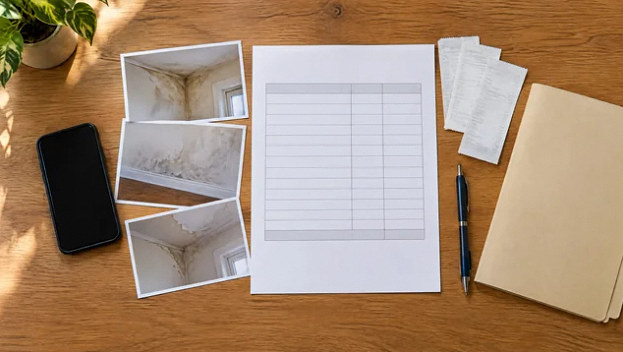
Documentation · 5 min read
Water Damage Estimates: Understand the Work and Keep Clear Records
Review emergency authorization, equipment charges, scope changes, and insurance documentation without assuming every cost is covered.
Read the guide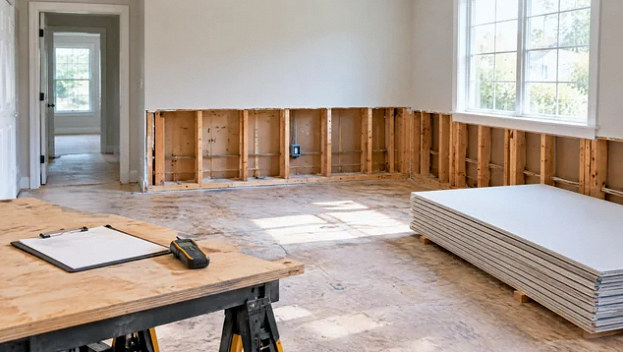
Materials and repairs · 5 min read
Before Rebuilding: How to Review the Drying Handoff
Ask for final material readings, remaining limitations, source-repair records, and a clear handoff before new finishes cover the work.
Read the guide