
Drying and equipment · 3 min read
Humidity, Dew Point, and GPP During Water Damage Drying
Understand the air readings on a drying report and why lower relative humidity does not prove a wall is dry.
YKCA · References checked 2026-10-03
Start with the essentials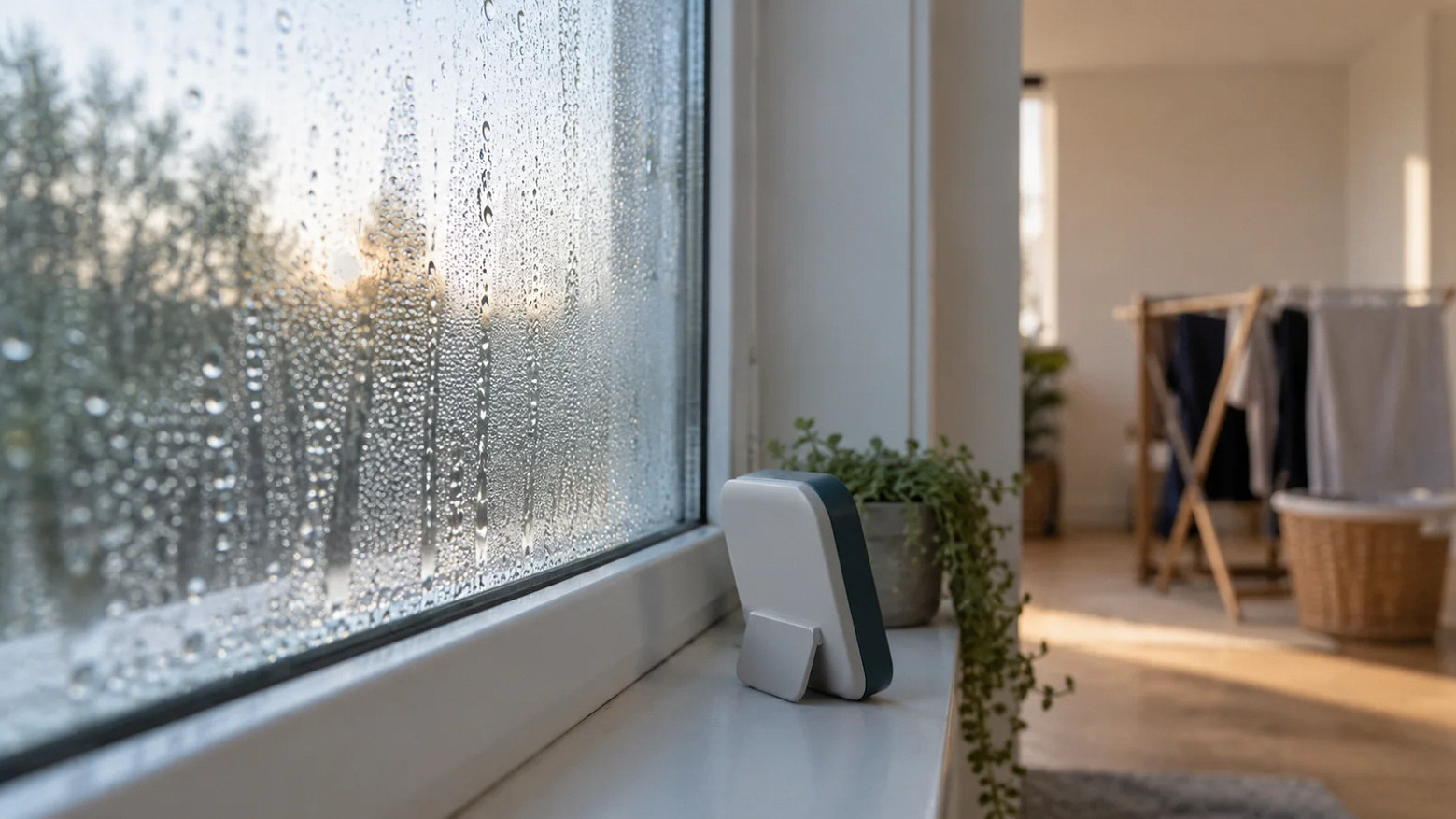
At a glance
Three things to keep in view.
RH
Always read relative humidity with temperature.
GPP
Compare moisture in air using consistent locations.
Material
Confirm the building layer with its own readings.
The key point
Air temperature, relative humidity, and dew point describe drying conditions. Material readings answer the separate question of whether the wall or floor has reached its drying goal.
A drying report may show temperature, RH, GPP, and several moisture-meter numbers. These values belong to different measurements. Reading them as interchangeable percentages can make an improving room look finished before the building materials have been evaluated.
Know what each air reading means
Relative humidity, abbreviated RH, expresses water vapor relative to saturation at the same temperature. GPP means grains of water per pound of dry air, a way of expressing humidity ratio. Dew point is the temperature at which cooling air reaches saturation and condensation can begin.
Vaisala's humidity references explain these relationships. Warming air can lower RH without removing water vapor. That is why a lower RH after the heat is turned up does not, by itself, demonstrate water removal or confirm that a concealed floor layer is dry.
Read temperature and humidity together
Keep the time and location with every air reading. Measurements beside a dehumidifier outlet describe a different location from the center of a room or the air outside. Ask what each entry is meant to show before comparing numbers across the report.
A practical log might label “affected bedroom,” “unaffected hallway,” “outdoor air,” and “equipment outlet.” These labels help the technician explain a change. An isolated photo of a digital display cannot tell a later reader whether it represents the environment or a machine's output.
Understand a condensation concern
A cool surface can reach the dew point of the surrounding air even when the room itself feels warm. This makes cold pipes, windows, and other surfaces relevant to an assessment. Ask the contractor whether newly observed surface moisture comes from a leak or condensation.
Do not choose a thermostat setting from a general blog article. Materials, occupants, equipment limits, and the building all affect the drying plan. The course's classroom temperature targets are useful teaching examples, but they are not universal instructions for every home and every assembly.
Compare outdoor air with the drying plan
A cool, humid-feeling day can contain less water vapor than warmer indoor air. An outdoor RH percentage alone therefore cannot answer whether opening a window will help. Temperature and moisture content must be considered together, along with contamination control and weather exposure.
Ask who decides when ventilation is appropriate and when windows should stay closed. Keep that instruction with the equipment contact information. A household member trying to make a hot room comfortable should have someone to call rather than needing to reinterpret the drying report.
Keep air progress separate from material completion
Request a material-by-material completion record for areas being retained. It should identify what was measured, the measurement locations, and the basis for the drying goal. Air readings help explain the conditions under which that drying happened.
If the air improves but a material reading remains elevated, ask what investigation or adjustment follows. That combination can be informative; it is not automatically a reason to add more machines or declare success. The next decision should address the material and its accessible drying path.
Common questions
Can I compare two moisture percentages from different instruments?
Only after establishing what each instrument measures and which scale or material setting it uses. An RH percentage, a wood moisture-content percentage, and a relative meter scale describe different things. Keep instrument details with the record.
Sources and further reading
References checked 2026-10-03. Guidance depends on the loss, affected materials, scope of work and property conditions.
Discuss the next step for your property.
Share what happened, which areas are affected and the decisions you need help with.
Discuss water damage restorationRelated decisions
Drying and equipment · 5 min read
Should You Open Windows or Turn Off Drying Equipment?
Plan for heat, noise, windows, and equipment interruptions during water damage drying, with clear instructions for overnight operation.
Read the guide
First decisions · 4 min read
Hidden Moisture: What Meters and Thermal Cameras Can Tell You
Learn how to read a moisture report, distinguish instrument scales, and ask useful questions about concealed walls, floors, and ceilings.
Read the guide