
Insurance documentation support · 6 min read
Temporary Housing After Water Damage: Build an Additional-Expense Record
Track temporary housing and other added costs with receipts, normal-cost comparisons, dates, and written insurance decisions.
YKCA · References checked 2026-10-03
Start with the essentials
Three decisions to document
At a glance
Three things to keep in view.
Clarify
Describe the loss of normal household functions.
Record
Connect extra costs with dates and receipts.
Review
Request extensions before arrangements expire.
The key point
Ask which temporary-living costs may qualify, preserve the normal-cost baseline, and record the reason and dates for each extra expense.
A homeowner sleeps elsewhere while a damaged kitchen is repaired, pays for more prepared meals, and notices a higher utility bill from drying equipment. The initial adjuster visit focused on walls and flooring. These extra costs need their own record and coverage questions instead of being buried in the reconstruction invoice.
Related service: Insurance documentation support questions and planning
Start with the actual reason you cannot use the home
Describe the affected functions and work conditions: an unavailable kitchen, loss of the only bathroom, a restricted work area, or a professional instruction concerning occupancy. Give dates and identify the person who assessed the condition. A short factual description is more useful than declaring the home uninhabitable without supporting information.
Ask the adjuster how the policy's loss-of-use or additional-living-expense coverage applies. The CDI consumer guide describes ALE as potentially helping with increased living costs when a covered loss prevents normal occupancy. Coverage, limits, and circumstances still matter. A contractor's repair schedule or your preference to stay elsewhere does not independently establish reimbursement.
If several household members make purchases, choose one receipt collection method and ask them to note the reason at the time. A restaurant charge three weeks later may be difficult to distinguish from an ordinary social meal. Record the dates when cooking access changed, temporary accommodation moved, or a household member returned home. Those transitions can affect the comparison. Keep the ledger factual rather than adding emotional explanations to every row; a short accompanying narrative can describe the overall disruption. Ask the adjuster how often to submit records so missing information is found while it is still easy to retrieve.
Sources for this section
California Department of Insurance: Residential Property Claims Guide (2025)
Ask about arrangements before making a long commitment
Request written clarification on lodging type, authorized period, cost expectations, household needs, and the process for extensions. Explain practical constraints such as accessibility, proximity to school or work, pets, or a household member's needs without sharing more personal information than necessary. Ask how deposits, cancellation terms, and direct billing are handled.
If an immediate safety issue requires leaving before you receive an answer, keep a dated record of the circumstances and reasonable steps taken to contact the insurer. Do not remain in danger to complete an approval process. Report the expense promptly, while understanding that taking a necessary action and receiving reimbursement are separate questions.
Keep the normal-cost baseline
ALE questions often turn on the additional cost compared with ordinary living. Preserve examples of your normal grocery, commuting, utility, or laundry expenses where relevant. You do not need to reconstruct years of household spending. Ask the adjuster what comparison it requires for the specific category being claimed.
For meals, separate ordinary food spending from the added expense caused by losing the kitchen. For lodging, retain the room bill and associated charges rather than a credit-card total with no detail. Avoid inventing a standard allowance from someone else's claim. A clear baseline lets the reviewer see the claimed difference and lets you identify an incorrect assumption.
Use a ledger that explains each receipt
Create columns for date, category, vendor, amount, reason, normal-cost offset if applicable, receipt reference, and review status. Add the period the expense covers when it spans several days. Mark refunds and cancellations so the claim reflects the final amount actually incurred.
Keep the receipts in a folder organized by month and connect them to the ledger with short identifiers. An annotated spreadsheet is easier to review than a folder of unlabelled images. If an expense relates to someone else's household or a different event, separate it. A reliable record explains who paid, what was purchased, and why it relates to this period of displacement.
Handle drying utilities as a separate question
Preserve utility bills before, during, and after equipment operation, along with the equipment dates and any available contractor record. Ask the adjuster which coverage category, if any, applies to the claimed increase and what evidence it needs. Do not automatically classify every increase as ALE or assume the full utility bill is reimbursable.
Changes in weather, occupancy, billing periods, and ordinary usage can affect the comparison. If a calculation is proposed, label its assumptions and retain the underlying records. You should not have to guess equipment operation from a monthly total. A contractor can supply factual equipment information while the insurer determines the policy treatment.
Connect extension requests to current milestones
Before the authorized period ends, ask the builder for the current sequence, completed work, and remaining constraints. Identify whether a delay concerns inspection, material delivery, newly discovered damage, insurer review, or an owner-requested improvement. Send the factual update to the adjuster with the requested extension period and supporting documents.
Do not describe every delay as unavoidable when the reason is unknown. The distinction may matter to coverage and to your own decisions about the project. Keep written responses and the date of the next review. A hotel reservation extending automatically can create an owner expense even while an extension request is still unanswered.
Reconcile the record at return home
Record the date normal occupancy resumes and keep the final lodging invoice, refunds, and remaining disputed items. Ask the insurer to identify which expenses were accepted, adjusted, or declined and why. Compare that explanation with your ledger rather than relying on a single payment total.
This guide cannot decide whether your home is safe to occupy or calculate benefits under your policy. The practical result is a coherent account of displacement and extra costs. In the illustrative kitchen repair, that means linking the unavailable kitchen dates, temporary arrangements, meal differences, utility question, and return date without mixing them into the cost of new cabinets.
Separate a requested reimbursement from an approved amount and an actual payment in the ledger. These statuses prevent a submitted receipt from being mistaken for available money when planning the next accommodation payment.
Common questions
Are all hotel and meal costs automatically covered after a leak?
No. Ask how the policy applies to the cause of loss, occupancy conditions, limits, time period, and increased costs. Keep itemized receipts and any written arrangements or decisions.
Should I submit the whole electricity bill for drying equipment?
Keep the bill and equipment-operation records, then ask the adjuster what evidence is needed for any claimed increase and which coverage category applies. Do not assume the entire household bill is attributable to drying.
Sources and further reading
References checked 2026-10-03. Guidance depends on the loss, affected materials, scope of work and property conditions.
The homeowner question behind this guide
These public discussions informed the questions addressed here. Personal experiences and comments are not technical findings or proof of insurance coverage.
Discuss the next step for your property.
Share what happened, which areas are affected and the decisions you need help with.
Discuss insurance documentation supportRelated decisions
First decisions · 5 min read
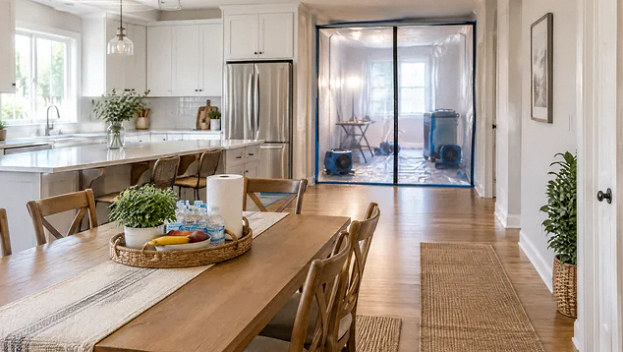
Can You Stay Home During Water Damage Restoration?
Discuss safe access, usable rooms, household health needs, equipment, and temporary accommodation before deciding to stay home.
Read the guide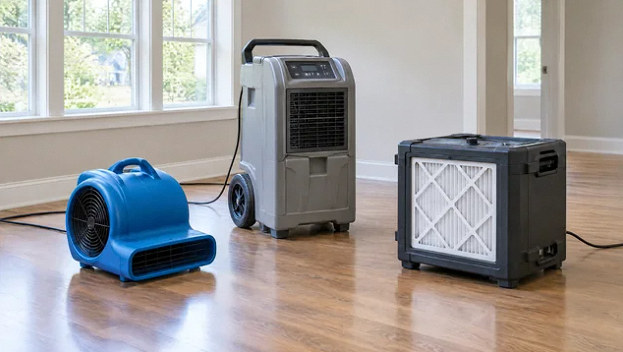
Drying and equipment · 5 min read
Fans, Dehumidifiers, and Air Scrubbers: What Each One Does
Understand the different jobs of restoration equipment and ask how the setup will reach wet materials and verify progress.
Read the guide