
For partners / Insurance adjusters
Insurance adjusters and owners: organize a restoration review packet
Connect observations, photos and proposed work so a reviewer can understand the estimate without reconstructing the whole loss.

THE KEY POINT
A clear packet explains the proposed work; it does not decide insurance coverage.
Separate the three conversations
A water-damage project can involve urgent mitigation, reconstruction planning and insurance review at the same time. Keep the purpose of each document clear. A contractor’s proposed repair scope, an insurer’s estimate and an authorization to proceed are different records, even when they describe the same room.
The Insurance Adjusters page explains how YKCA can discuss observations and proposed work with the owner and authorized contacts. Coverage and claim decisions remain with the insurer and policyholder. Do not read the page as a promise that an invoice will be reimbursed or that YKCA acts as a public adjuster.
Make the evidence easy to locate
Organize photos by date, room and viewpoint. An overview establishes the location; a closer image shows the condition being discussed. Use consistent room names across the photo set, sketch and estimate so a reviewer does not have to guess whether two labels refer to the same area.
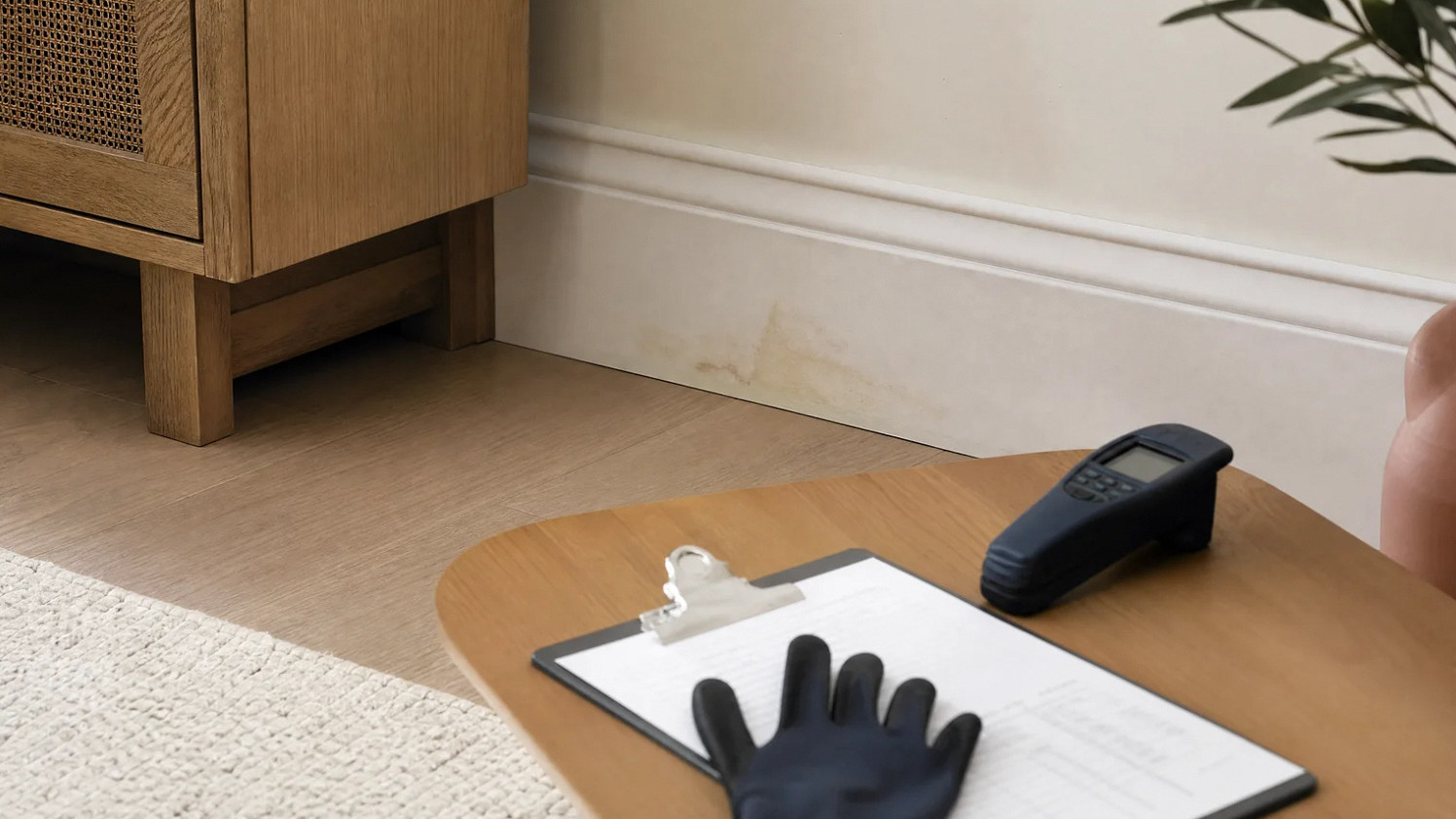
Keep measurements, equipment records and investigation findings with the relevant location. Describe what the record shows and what remains unknown. A stain visible in a photograph does not by itself establish the full hidden extent of damage or which assembly must be replaced.
Explain differences in scope
When two estimates differ, compare quantities, materials and included operations before comparing totals. Identify the specific line requiring discussion and the supporting observation. A revision should say what changed and why, rather than silently replacing the previous version.
For newly discovered conditions, preserve the observation and ask the authorized parties how they want additional information submitted. Avoid presenting an unresolved investigation as a confirmed repair quantity. Clear uncertainty is more useful than a precise-looking number without a basis.
Keep authorization and closeout visible
Maintain a dated list of submitted documents, open questions and responses. Record who can authorize work and how the owner wants updates. Share only the information necessary for the review through the agreed channel; a general inquiry does not need a full policy file or unrelated personal documents.
At the end, distinguish the work record from the claim outcome. Retain the agreed scope, approved changes and relevant completion documents together. This article is a packet-organization guide. Use the policy, insurer correspondence and appropriate professional advice for coverage disputes rather than treating a website checklist as a claim determination.
Keep the next steps clear
| Step | What to record | Why it helps |
|---|---|---|
| Observe | Dated location records | Show what was found |
| Explain | Scope tied to evidence | Make quantities reviewable |
| Track | Revisions and questions | Keep decisions traceable |
BEFORE THE NEXT STEP
Your checklist
A useful question
Does a restoration estimate establish what insurance will pay?
No. It describes proposed work and its basis. Coverage and payment depend on the policy and claim review. Keep the contractor scope, authorization and insurer decisions as separate records.
PUT THE GUIDE TO WORK
Page & sources
This guide helps you prepare for a conversation with YKCA. Reviewed October 3, 2026. Check current project terms and official instructions when making a decision.
CONTINUE WITH THE NEXT DECISION
Related Company guides

Ready to use what you have learned?
Open Insurance adjusters