
Working with us / Contact & estimates
How to request a useful estimate before you have every answer
Use Contact & Estimates to explain the project, supply useful evidence and distinguish a first conversation from a final price.
THE KEY POINT
A good estimate request makes the known scope and the unresolved questions equally easy to see.
Start with the result you need
The Contact & Estimates page is a place to explain a project, not a test of how much construction terminology you know. State the property location, the type of space and the problem you want solved. “We want to charge our car overnight in the detached garage” communicates more than a guessed list of electrical parts.
Say whether you need early planning input, a site assessment or a proposal based on existing drawings. If a decision has already been made, identify it. If you are comparing alternatives, describe the alternatives rather than presenting one as final simply to obtain a number.
Supply evidence that changes the conversation
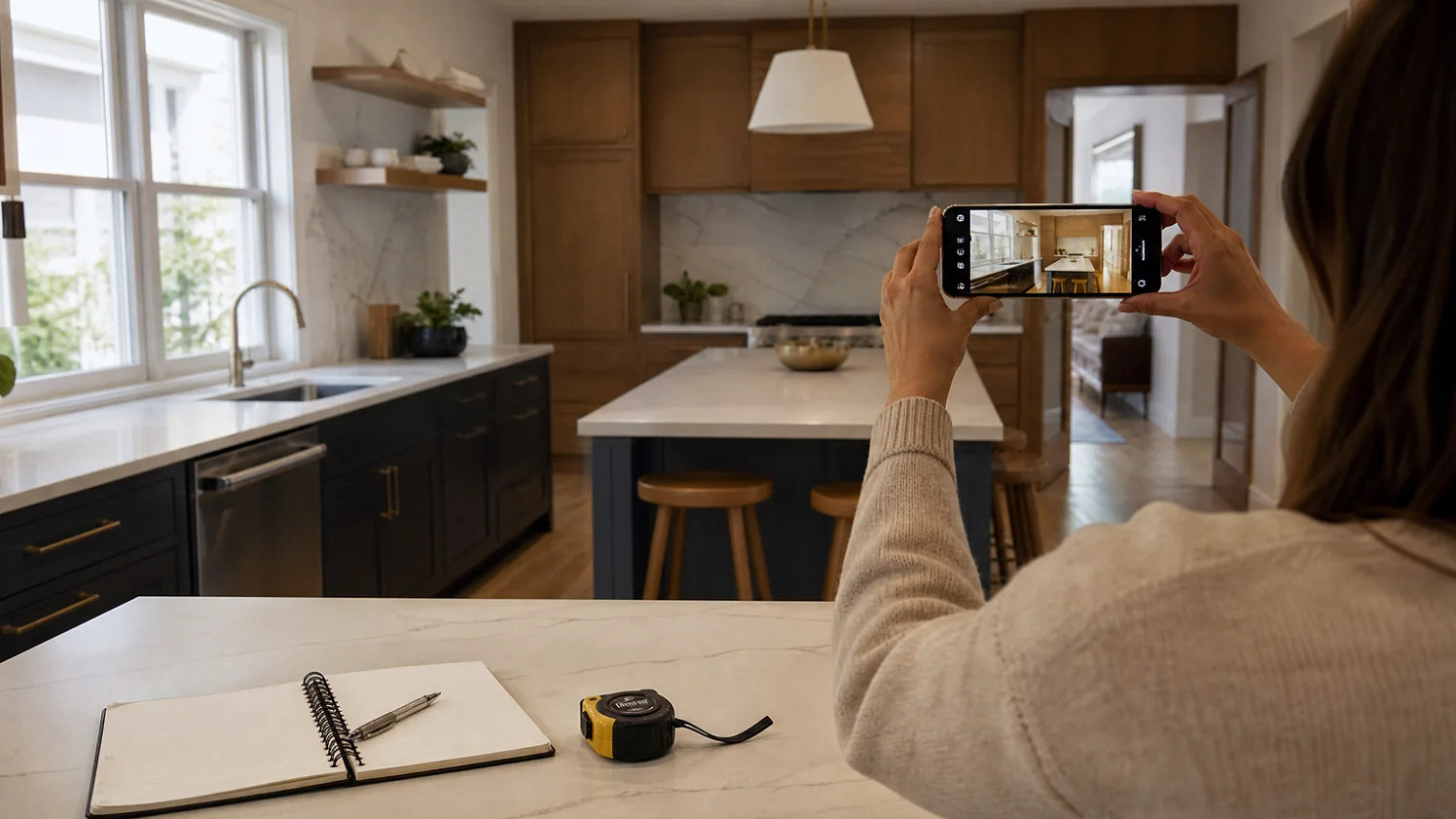
Useful photos show the work area, nearby access and the relationship between affected locations. Plans and equipment model information can clarify a defined scope. Label what each file shows and use current versions. A small organized set is easier to interpret than dozens of unlabeled close-ups.
Photograph only areas you can access safely. Do not remove electrical covers, enter an unsafe space or expose client or occupant personal information to create an estimate packet. If a condition cannot be inspected safely, make it an explicit site-assessment question.
Explain constraints and unknowns
Include occupied areas, desired timing, building rules and work that must remain operational. Distinguish a preferred date from a fixed event such as a lease handover. Tell the team which selections are complete and which are still being considered.
An unknown route, hidden condition or unresolved equipment choice may require investigation or an allowance before a firm scope can be priced. Making the uncertainty visible gives the estimator something to resolve. Inventing a measurement or assuming that all repairs are included can make the eventual comparison less useful.
Know what the next response means
A first conversation may establish fit and identify missing information. A site visit may clarify conditions. A written proposal should then explain the scope and assumptions appropriate to that stage. Do not treat an informal planning number as a final agreement covering every possible condition.
Keep your original brief and subsequent answers together. When comparing proposals, check that each responds to the same scope. Before committing, review inclusions, exclusions, payment terms and responsibilities in the actual documents. The Contact page helps begin the process; it does not itself approve the project or guarantee a fixed price.
Keep the next steps clear
| Step | What to record | Why it helps |
|---|---|---|
| Describe | Outcome and property | Explain the need |
| Support | Photos and plans | Show existing conditions |
| Clarify | Unknowns and timing | Choose the next step |
BEFORE THE NEXT STEP
Your checklist
A useful question
Can I request an estimate without finished plans?
Yes, you can start with the property location, intended result, safe photos and known constraints. Explain which decisions remain open so the next step can be planning, assessment or a defined proposal.
PUT THE GUIDE TO WORK
Page & sources
This guide helps you prepare for a conversation with YKCA. Reviewed October 3, 2026. Check current project terms and official instructions when making a decision.
CONTINUE WITH THE NEXT DECISION
Related Company guides

Ready to use what you have learned?
Open Contact & estimates