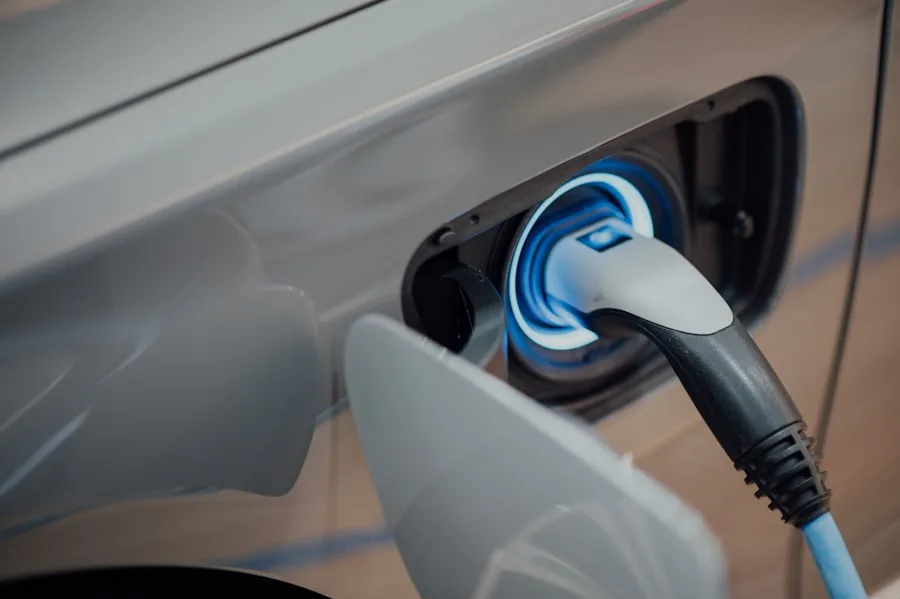
EV CHARGING
California EV Charger Rebates 2026: Complete Homeowner Guide
Published May 10, 2026 · Updated September 6, 2026 · 8 min read
California continues to lead the nation in electric vehicle adoption, and utility rebates still make 2026 a good year to install a home EV charger, even though the federal Section 30C tax credit ended for chargers placed in service after June 30, 2026. Between PG&E's residential charging incentives and BayREN electrification programs, Bay Area homeowners can offset a meaningful share of a Level 2 charger installation. Whether you drive a Tesla, Rivian, Chevy, or any other EV, these programs help reduce the out-of-pocket cost of getting a dedicated charger at home.
At YKCA, we help Bay Area homeowners navigate the rebate landscape every day. This guide breaks down the major programs available in 2026, explains who qualifies, and walks you through the claim process step by step. Program amounts and eligibility change frequently — verify current details with each administering agency before installation.
PG&E Residential Charging Solutions Rebate
Pacific Gas & Electric serves most of the Bay Area and offers the largest single rebate available to most residential customers. PG&E's Residential Charging Solutions Rebate has two pathways:
- Standard option: Up to 50% of the purchase price of eligible Level 2 charging equipment, with the application submitted within 180 days of purchase.
- Rebate Plus (income-qualified): Up to $2,000 toward charger and installation, or up to $5,000 if a panel upgrade is required, for households at or below 80% of Area Median Income (or enrolled in CalFresh, Medi-Cal, SSI, or similar assistance programs).
You must be an active PG&E residential customer and the current owner or lessee of a qualifying battery-electric or plug-in hybrid vehicle. Funding is limited and first-come, first-served — confirm availability before purchasing equipment.
Key requirements include:
- Property must be located in PG&E territory
- Charger must appear on PG&E's list of eligible Level 2 (240V) equipment
- Installation should be performed by a licensed electrician (C-10) and pulled under permit
- Proof of EV ownership or lease is required at the time of application
- Standard option applications must be submitted within 180 days of equipment purchase
Rebate amounts and terms change. Each program, with a link to its official page: EV charger rebates and incentives
PG&E EV Rate Plans and Off-Peak Savings
Beyond the charger rebate, the bigger long-term savings for EV owners come from enrolling in an EV-friendly rate plan.
PG&E's EV2-A rate plan provides significantly lower electricity rates during off-peak hours, with the lowest "off-peak" rate running from midnight to 3 PM every day. Peak hours (4 PM to 9 PM) carry the highest rates, and a partial-peak window covers 3-4 PM and 9 PM to midnight. Charging your EV overnight on this plan can cut your per-mile cost dramatically compared to peak charging. Your electrician can install a time-of-use capable charger or smart panel to help you take advantage of these rates automatically.
Eligible chargers include popular models like the Tesla Wall Connector, ChargePoint Home Flex, Emporia Energy Smart Level 2, and Grizzl-E Classic. PG&E maintains an updated list of qualifying equipment on their website.
Federal Tax Credit: Section 30C (Ended June 30, 2026)
The federal Alternative Fuel Vehicle Refueling Property Credit (IRS Section 30C) allowed homeowners in an eligible census tract to claim 30% of the cost of purchasing and installing an EV charger, capped at $1,000. The 2025 federal budget law moved its end date from 2032 to June 30, 2026. Chargers placed in service after that date do not qualify.
Equipment placed in service by June 30, 2026 may qualify only if the applicable location, main-home and other IRS requirements are met. Use Form 8911 for the tax year the equipment was placed in service; an earlier installation does not automatically belong on a 2026 return. Keep equipment and installation invoices and evidence of the in-service date. Review the IRS eligibility requirements with your tax preparer.
As of this update there is no federal replacement for the residential charger credit. The programs below are utility or regional and remain open.
BayREN (Bay Area Regional Energy Network)
BayREN serves the nine Bay Area counties. Its Home+ program does not directly rebate EV chargers, but it offers meaningful rebates for the electrification work that often accompanies a charger install — most notably heat pumps, heat pump water heaters, and induction cooking. If your EV project includes a panel upgrade alongside a heat pump or water heater replacement, bundling the work through a BayREN Participating Contractor can capture additional rebates that effectively reduce the total electrification cost.
BayREN amounts vary by measure and by year — check current rebates at bayren.org or ask us during your site assessment. Bundling projects together is the main way to maximize total savings.
Stacking Incentives: A Realistic Example
Here is a realistic example of what a Bay Area homeowner might capture on a Level 2 charger installation in 2026. Actual amounts depend on income qualification, equipment selection, census tract, and program funding at the time of application:
- PG&E Standard residential rebate: up to 50% of equipment purchase price
- PG&E Rebate Plus (income-qualified): up to $2,000 for charger/install, up to $5,000 with panel upgrade
- Federal 30C tax credit: no longer available for installations after June 30, 2026
- BayREN Home+ adders when bundled with heat pump or other qualifying electrification measures
A typical Level 2 charger installation in the Bay Area costs between $1,200 and $3,500 depending on the charger model, electrical panel capacity, and the distance from the panel to the garage. Programs do not always stack cleanly — for example, the PG&E Standard and Rebate Plus options are mutually exclusive — and the federal credit is gone for new installs. We help you identify which programs apply to your specific project and handle the paperwork.
Popular Level 2 Chargers for Bay Area Homes
Not all chargers are created equal, and choosing the right one affects both rebate eligibility and long-term satisfaction. Here are the models we install most frequently:
- Tesla Wall Connector: Best for Tesla owners. 48A output delivers up to 44 miles of range per hour. Wi-Fi enabled with over-the-air updates. Works with non-Tesla EVs via a J1772 adapter.
- ChargePoint Home Flex: The most versatile option. Adjustable amperage (16A to 50A) works with any panel capacity. ENERGY STAR certified. Built-in app for scheduling and monitoring.
- Emporia Energy Smart Level 2: Budget-friendly with smart features. Integrates with Emporia's home energy monitoring ecosystem. Good choice for cost-conscious homeowners.
- Grizzl-E Classic: No-frills reliability. NEMA 4 rated for outdoor installation. 40A output with a 24-foot cable. Great for detached garages.
Step-by-Step: How to Claim Your Rebates
The claim process can seem daunting, but breaking it into clear steps makes it manageable. Here is the order we recommend:
- Step 1: Confirm your eligibility. Check that your property is in a participating utility territory and whether you meet the income tier for PG&E Rebate Plus.
- Step 2: Choose a qualifying charger. Select an ENERGY STAR certified Level 2 EVSE from the approved equipment lists.
- Step 3: Schedule a site assessment. A licensed electrician will evaluate your electrical panel capacity, determine if an upgrade is needed, and plan the charger placement.
- Step 4: Get a permit and install. Your contractor pulls the required city or county electrical permit, installs the charger, and schedules the inspection.
- Step 5: Apply for utility rebates. Submit your PG&E Residential Charging Solutions application (and any BayREN paperwork tied to a bundled electrification measure) with the installation invoice, permit number, and proof of EV ownership.
- Step 6: For equipment placed in service by June 30, 2026, check all IRS eligibility requirements and use Form 8911 for the applicable tax year if eligible. Equipment placed in service after that date does not qualify for Section 30C.
Most utility rebates are processed within 6 to 8 weeks. YKCA handles the permitting and provides all documentation you need for rebate applications as part of every installation.
Do You Need a Panel Upgrade?
Many Bay Area homes, especially those built before 2000, have 100-amp or 125-amp electrical panels. A Level 2 EV charger typically draws 40 to 50 amps, which may exceed the available capacity on an older panel. If your panel is at or near capacity, an upgrade to 200-amp service is usually required before the charger can be installed.
Panel upgrades add to the total project cost but, when bundled with a qualifying EV charger install, are typically eligible for the PG&E Rebate Plus path (income-qualified). More importantly, a modern 200-amp panel supports future electrification needs like heat pumps, induction cooktops, and battery storage. It is an investment that increases your home's value and electrical safety.
Not sure your panel can carry a charger? EV panel upgrades · (650) 550-0819
Why Work with a Licensed Electrician
Every rebate program in California requires installation by a licensed electrical contractor. Hiring an unlicensed installer disqualifies you from all incentives and creates safety and insurance risks. YKCA is a licensed C-10 electrical contractor (License #1158693) serving the entire San Francisco Bay Area. We handle the permit, the installation and the inspection, and give you the permit and inspection records so you can focus on driving.
If you are ready to install a home EV charger and want to maximize your rebate savings, call us at (650) 550-0819 or request a free consultation online. We will walk you through the programs you may qualify for.
← Back to News & TipsInstalling an EV Charger?